Buying and Selling at the Same Time in Saskatoon: Which Should You Do First?
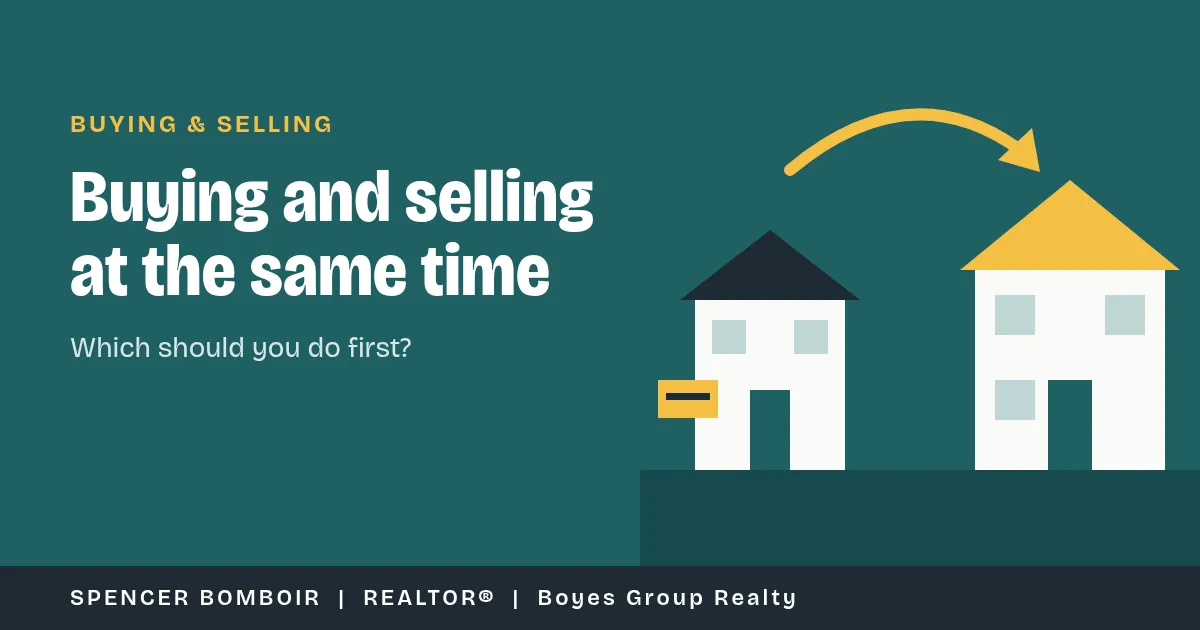
If you already own a home, buying your next one usually depends on selling the one you're in. That's where it gets tricky. Sell first and you might not have anywhere to go. Buy first and you might end up paying two mortgages.
I've been through this myself. When I sold my townhouse in 2022, my partner and I were buying our next house at the same time, and lining it all up took some planning. Here's how it works in Saskatoon, the pros and cons of each order, and the tools that help the timing come together.
Start with your numbers
Before you decide which to do first, find out what you're working with:
- What your home will likely sell for. We can pull recent sales and give you a realistic range.
- What you still owe, plus any penalty for breaking your mortgage early. Your lender can tell you both.
- What you can borrow for the next home. Talk to your lender or a mortgage broker and get pre-approved.
- Your costs on both sides, like commission on your sale, legal fees for the sale and the purchase, and moving.
Once you know roughly how much equity you'll walk away with, you'll know your real budget for the next place. Our closing cost calculator can help with the buying side, and our monthly cost calculator shows what the new home would cost you each month.
Option 1: Sell first
Selling first is the lower-risk choice. You know exactly how much money you have before you shop, and you never carry two homes at once. Your offer on the next home can also be firm, which sellers like.
The catch is timing. Once your home sells, you need to find the next one before your possession date, or move somewhere temporary. Short-term rentals, storage and moving twice all add cost and hassle.
There are ways to take the pressure off. When you accept an offer, you can ask for a longer possession date so you have more time to shop. Some buyers will also agree to let you rent the home back for a short time after the sale. Neither is guaranteed, but both are worth asking for.
Option 2: Buy first
Buying first means you can take your time finding the right place, and you only move once. It works best when homes like yours are selling quickly.
The risk is on the selling side. If your current home takes longer to sell than you expect, you could be paying two mortgages, two sets of property taxes and two sets of utilities. You may also feel pressure to drop your price just to get it sold.
Before you buy first, be honest with yourself about how long you could carry both homes if you had to. If the answer is "not long," buying first probably isn't the right fit.
Option 3: Make your offer conditional on selling your home (tread lightly)
There's also a middle path. You can make an offer on a home with a condition that says the deal only goes ahead if your current home sells by a certain date.
It protects you, but tread lightly with this one. Sellers usually aren't fans, because their sale now depends on yours. In a market like Saskatoon's, an offer with a sale condition will often lose out to a buyer who doesn't need one, and the more conditions you stack on an offer, the more likely you are to lose the home altogether.
Even sellers who accept it may keep showing their home. Depending on how the condition is written, if they get another offer you may only get a short window to remove your condition or let the deal go.
A sale condition has the best chance when the market is slower, when the home you want has been listed for a while, or when your own home is already listed and getting good interest. If you do use one, keep the rest of your offer as clean as you can. We can help you figure out whether it has a real shot on the home you have your eye on.
What bridge financing is and when you need it
Say you've sold your home and bought a new one, but you get the keys to the new place before your sale closes. Your down payment is still tied up in the home you haven't handed over yet. Bridge financing fills that gap.
It's a short-term loan from your lender that covers the down payment on your new home until the money from your sale comes in. A few things to know:
- Most lenders only offer it once your current home is sold firm
- It's meant for a short gap, and each lender sets its own limit on how long
- The interest rate is usually higher than a mortgage rate, and there may be a set-up fee
Bridge financing won't help if your home hasn't sold yet. That's why buying first without a sale condition carries more risk.
Lining up your possession dates
The ideal setup is to get the keys to your new home a few days before your old one closes. That gives you time to clean, paint or move at your own pace, and it keeps any bridge financing short.
Some people line up both possessions on the same day. It can work, but it's a long day. The lawyers have to move money between both deals, and keys don't always come until the afternoon. If you go this route, book your movers with some flexibility and have a backup plan in case the keys come late.
Whatever you choose, talk to your lawyer early. They handle the money on both deals and can tell you what timing is realistic.
What happens to your mortgage?
If you're partway through your mortgage term, you may be able to port it. That means moving your current mortgage, with its rate and term, over to the new home. It can help you avoid a prepayment penalty, which is especially handy if your current rate is lower than today's rates.
Porting rules are different from lender to lender, and there's usually a time limit between selling and buying. Ask your lender what your mortgage allows before you sign anything.
Which order is right for you?
- Sell first if you want certainty, your budget is tight, or carrying two homes would stretch you
- Buy first if homes like yours are selling fast and you could handle two sets of payments for a while
- Use a sale condition only if the market is slower or the home you want has been sitting, and keep the rest of your offer clean
There's no single right answer. It depends on the market, your finances and how much stress you're up for. Our listing readiness checklist walks you through this decision along with 10 other things to sort out before you list.
Want help planning both sides?
Buying and selling at the same time is one of the more stressful moves in real estate, but it's a lot easier with a plan. We can help with both sides, from pricing your current home to finding the next one and lining up the dates.
We'd be happy to talk it through. Send us a note or book a quick call.
This article is general information only and current as of November 2026. It isn't legal or financial advice. Lender rules for bridge financing and porting vary, so check with your lender, and talk to your lawyer about timing your possession dates.